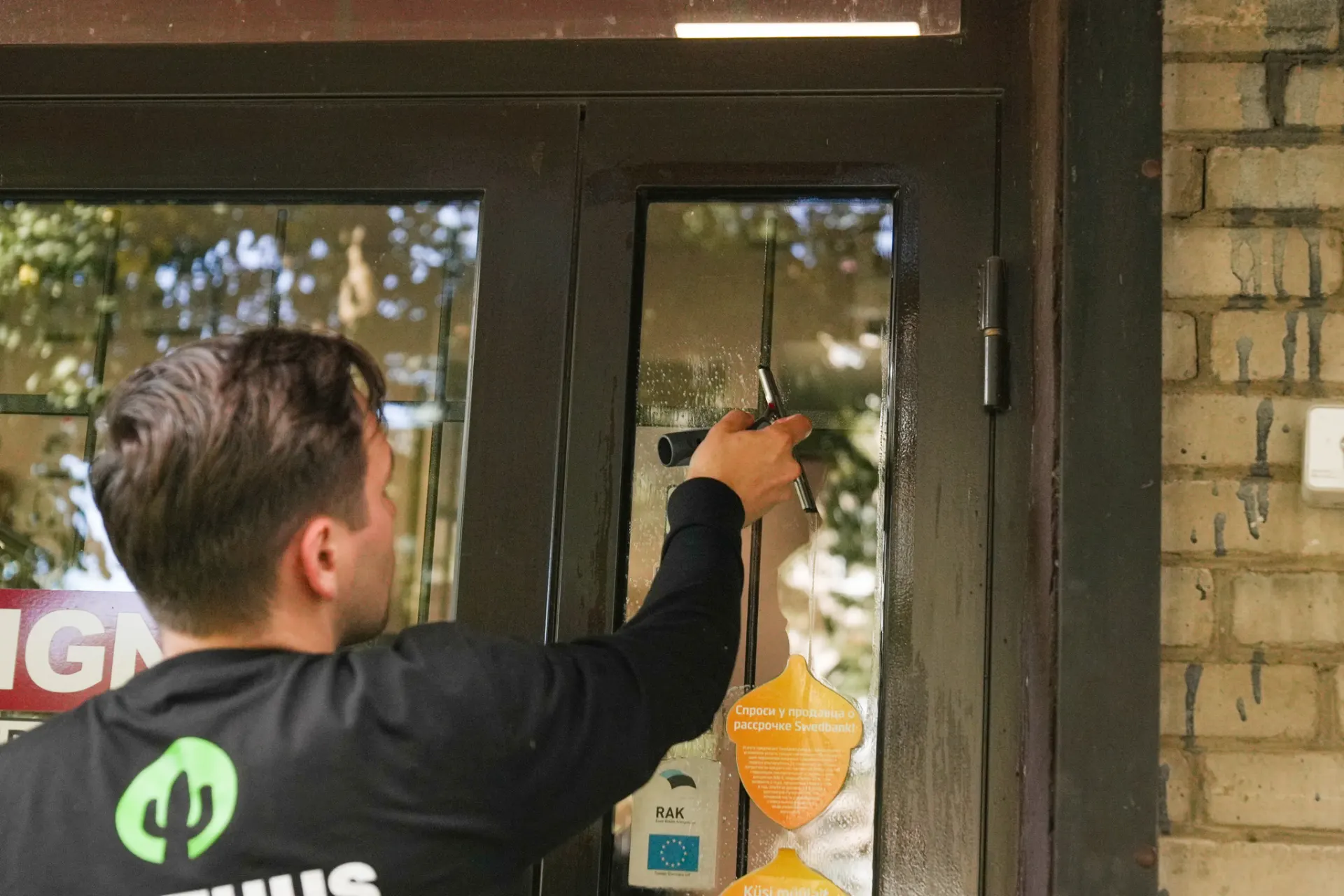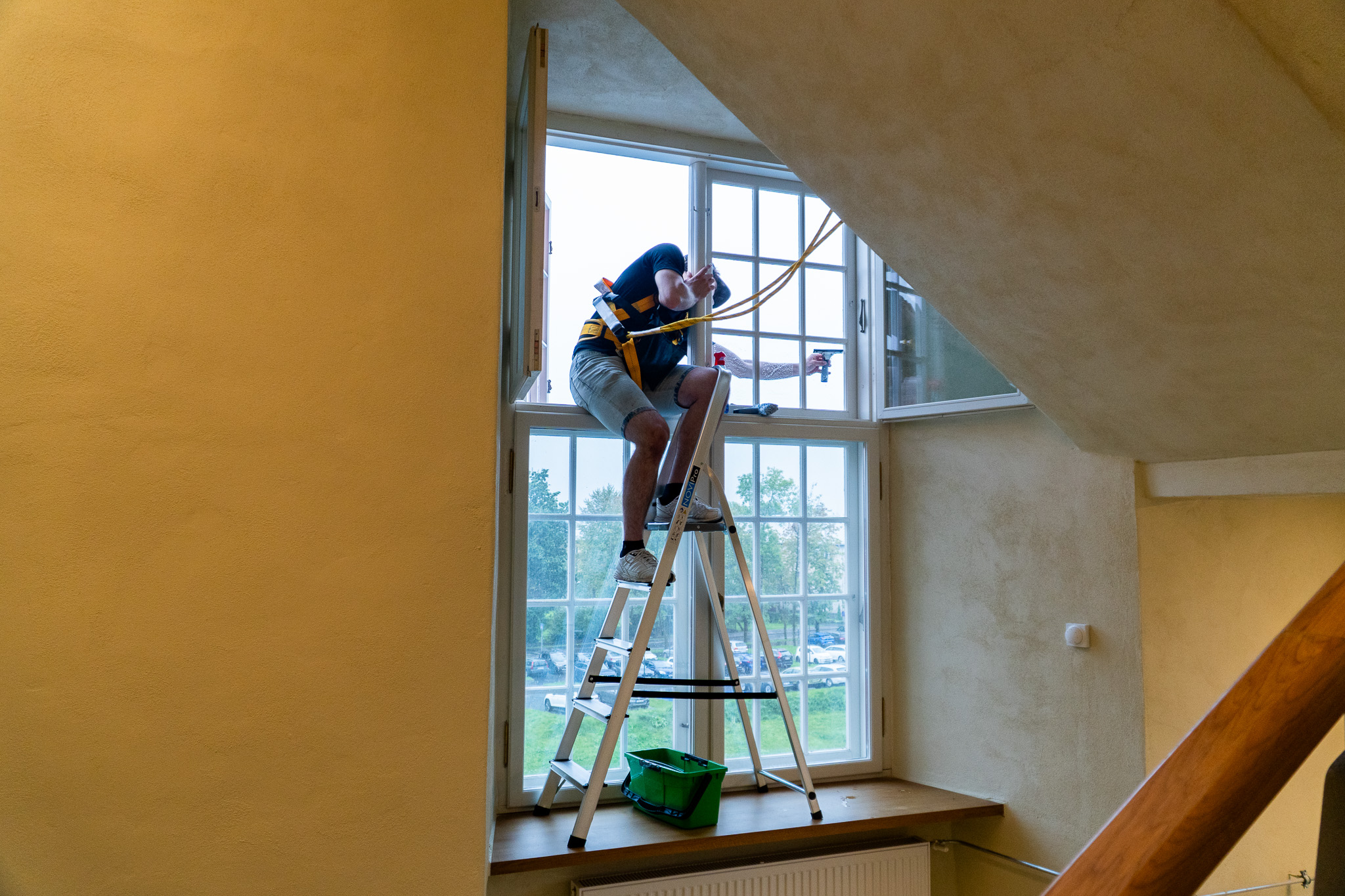



When to reach for low-pressure detergents and when to bring the heat.
The short answer
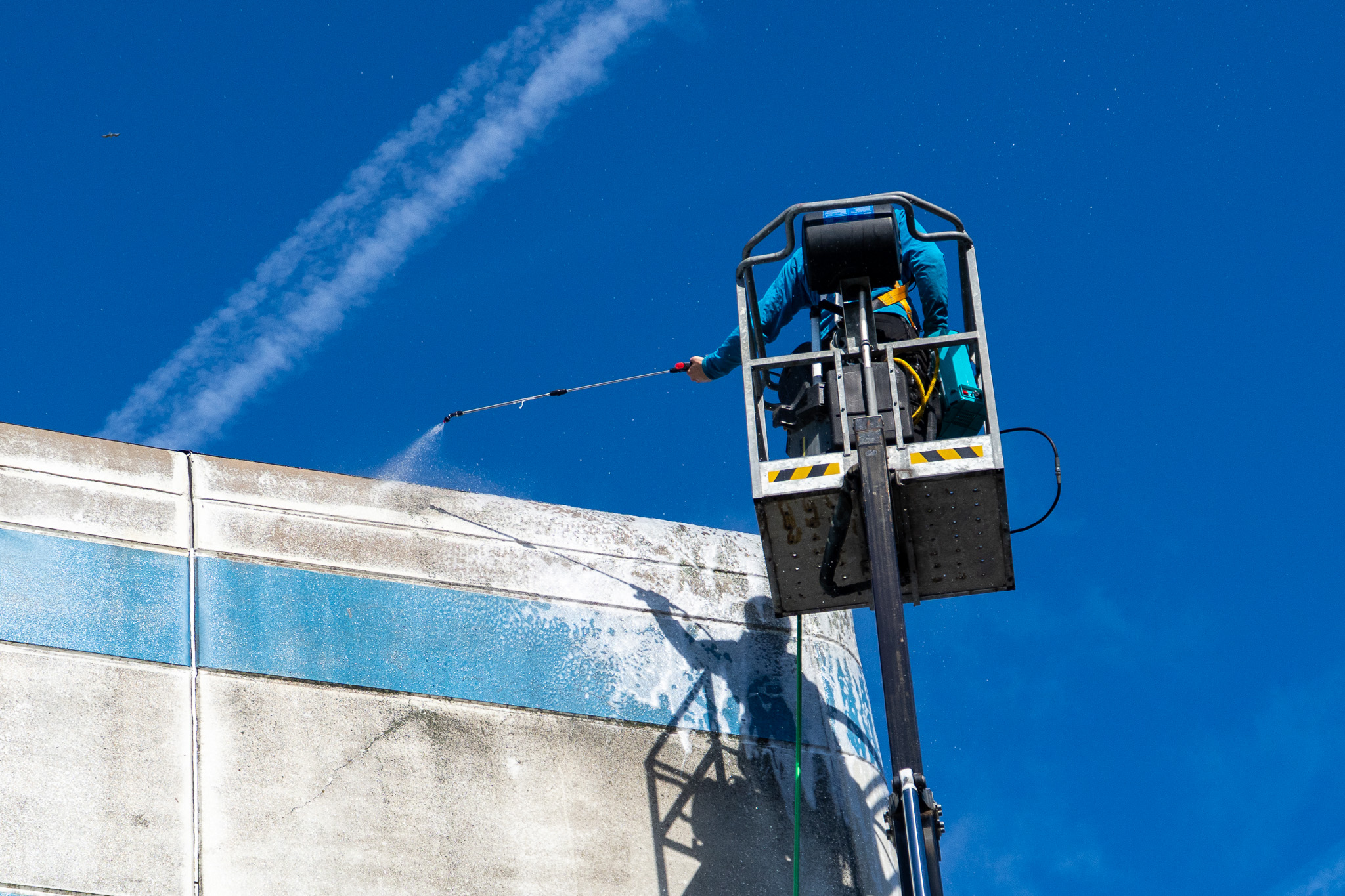
- Pressure washing cleans mechanically — 100–220 bar of water, no chemistry. It belongs on concrete, paving, asphalt and masonry.
- Soft washing cleans chemically — garden-hose pressure (3–15 bar) plus a solution that kills algae, moss and lichen at the root.
- Roofs, siding, render, painted wood, decking and windows are almost always soft wash jobs. Driveways, walkways and retaining walls are pressure wash jobs.
- A soft-washed surface stays clean for 2–4 years; growth that was only knocked off comes back in 6–12 months.
- The wrong method on the wrong surface is the most expensive mistake we get called in to repair.
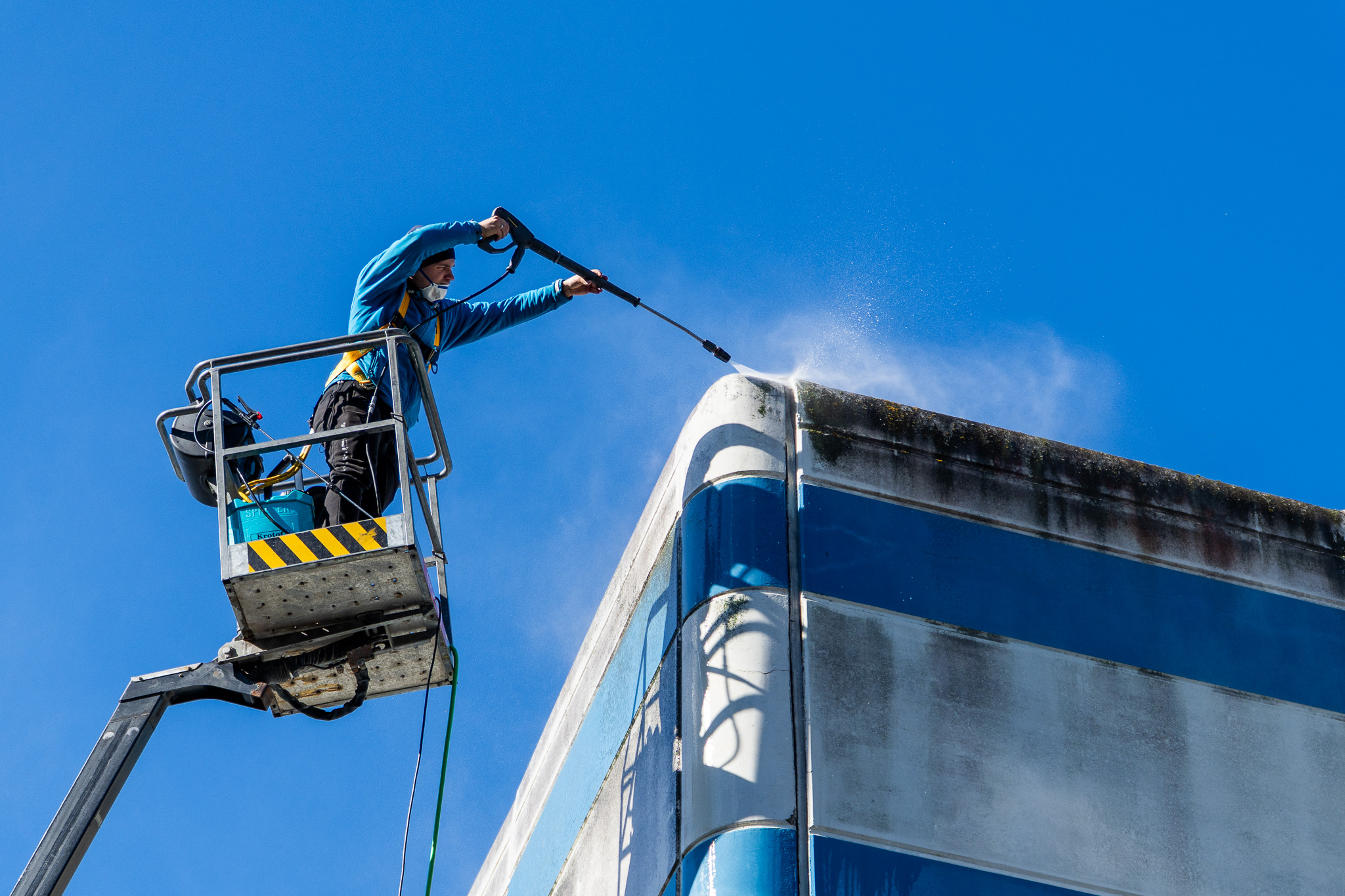
Pressure washing is what most people picture: a wand, a noisy machine, and water hitting the surface at several hundred bar. It works, but only on surfaces that can take it — concrete driveways, paving, asphalt, cobble, brickwork. Point the same pressure at the wrong surface and it strips paint, drives water into render, and leaves permanent stripes in timber.
Soft washing does not rely on pressure at all. Water arrives at roughly garden-hose force, but it carries a cleaning solution that is left to dwell for a few minutes and then rinsed. The dirt is not blasted off; it is broken down.
What pressure washing actually does
Pressure washing removes what has stuck to a surface: oil, rubber, road film, cement haze, years of grime in paving joints. The kinetic energy of the water does the work. That is why the result is immediate and dramatic — a grey driveway goes light again in half an hour.
The limitation is just as blunt: pressure cannot tell dirt from substrate. If the material is softer than what has grown on it, the material loses. Asphalt shingles shed their protective granules, render loses its face, timber raises into fibres, paint peels, window seals give way.
What soft washing actually does
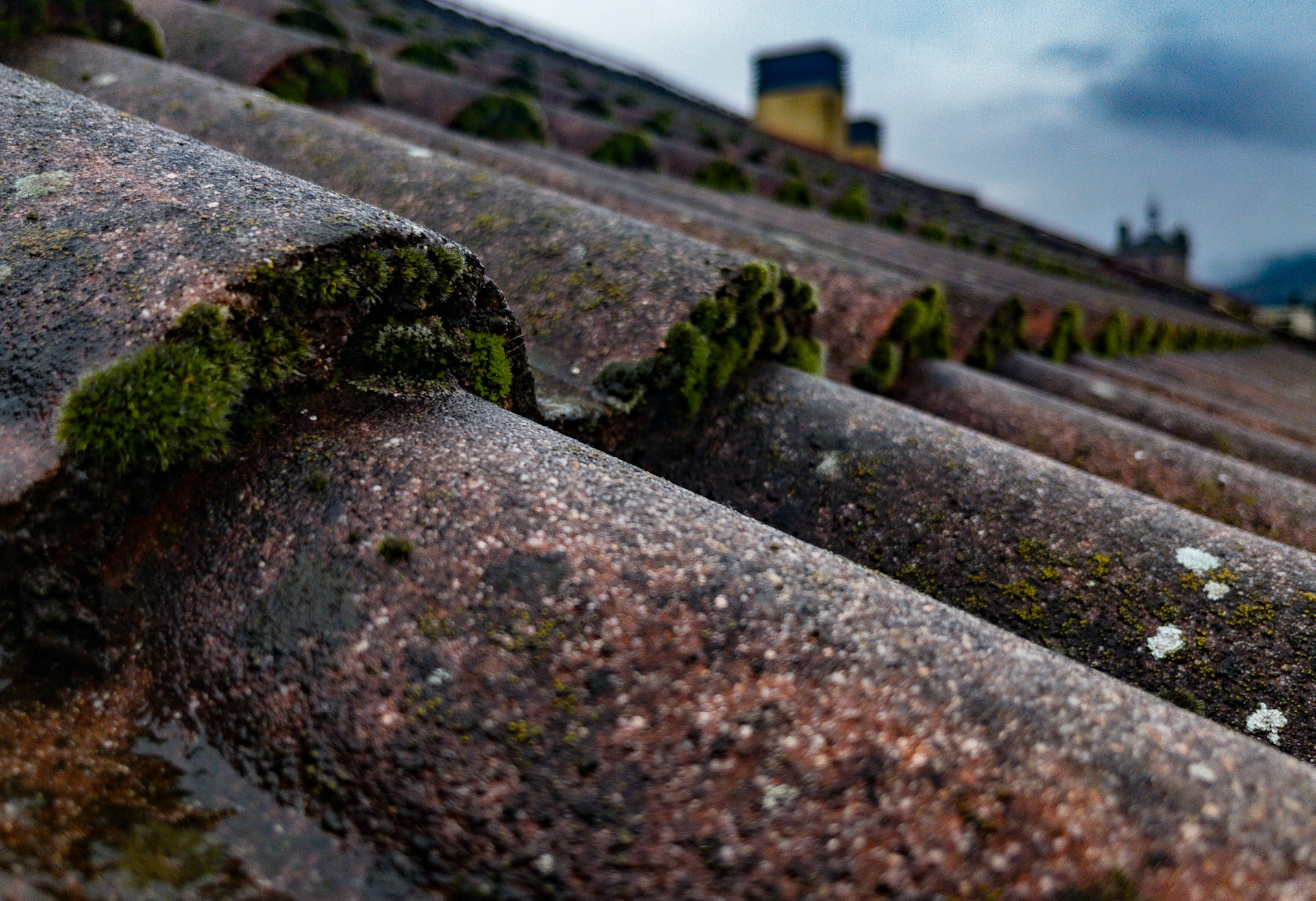
Most of what people call dirt on a wall, a roof, or a deck is not dirt at all. It is alive: green algae, blue-green algae, moss and lichen. You cannot remove it permanently by force, because the filaments live inside the material. Knock the top layer off and the surface looks clean for two months, then it all grows back.
A soft wash solution kills the organism at the root. Rain and UV then carry the dead material away over the following weeks, and the surface stays clean for years rather than months. The same technique lifts pollen, cobwebs and exhaust film without forcing anything into the substrate.
| Pressure wash | Soft wash | |
|---|---|---|
| Water pressure | 100–220 bar | 3–15 bar (about a garden hose) |
| What removes the dirt | Mechanical force | Cleaning solution plus dwell time |
| Right for | Concrete, paving, asphalt, brick, retaining walls | Roofs, siding, render, painted wood, decking, fences |
| Kills algae at the root | No — surface only | Yes |
| Typical time before regrowth | 6–12 months | 2–4 years |
| Risk of damage | High on soft surfaces | Low, when the solution is dosed correctly |
| Water used | High | Lower |
Which method for which surface
If you could pick a property up and turn it over, every surface would need its own treatment. The short version:
Soft wash
- Roofs — always. Pressure on shingles or roof tiles voids most manufacturer warranties and shortens the roof's life.
- Siding and render — pressure drives water behind the cladding, where it freezes in winter.
- Painted or oiled timber, cladding boards, fences.
- Timber and composite decking.
- Windows, frames and seals.
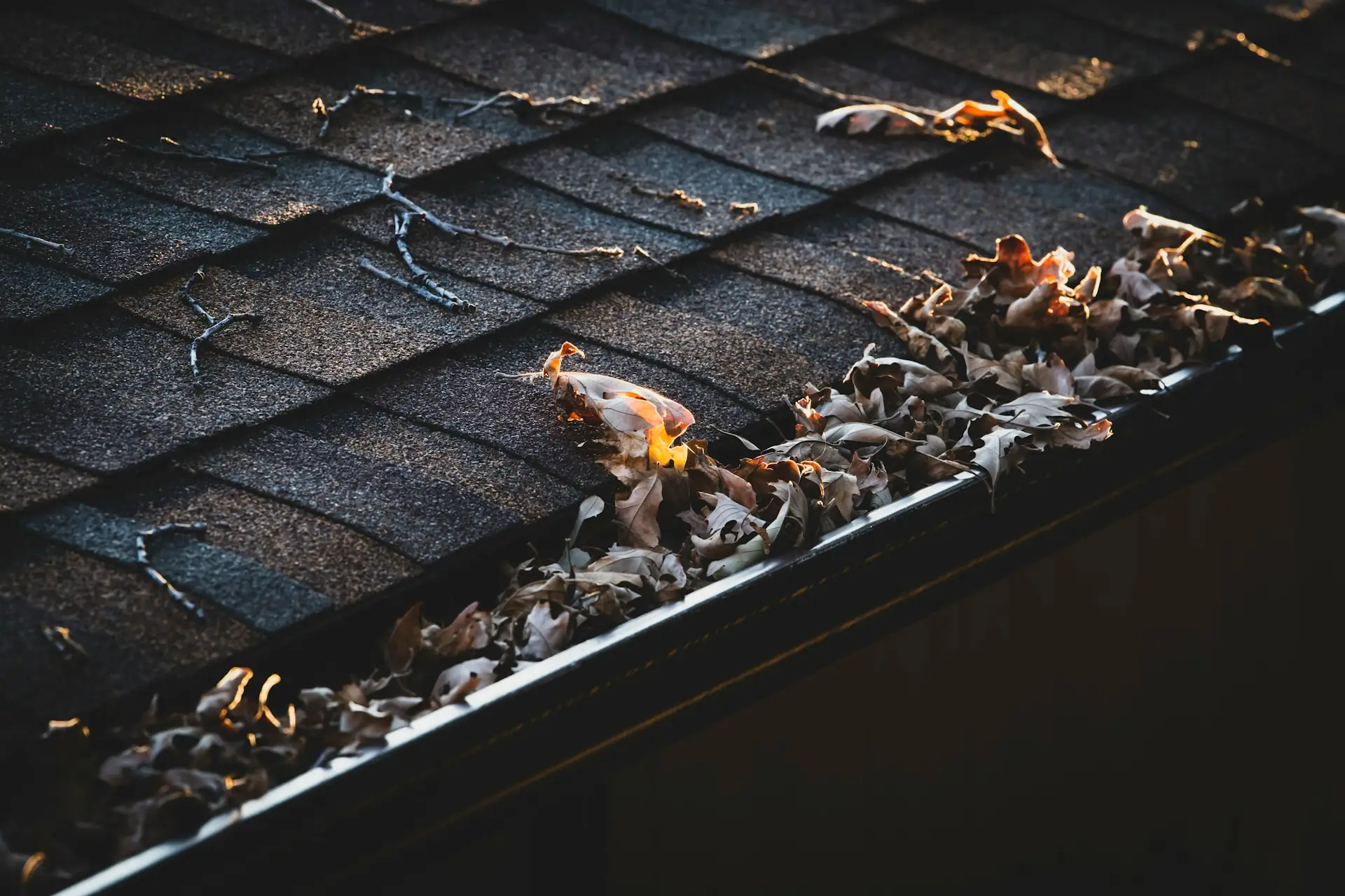
- Gutters, cleaned from the outside.
Pressure wash
- Concrete driveways and parking lots.
- Paving and cobble (with controlled pressure, so the joint sand stays put).
- Walkways, steps and loading areas.
- Concrete retaining walls and plinths.
- Bin stores and service yards.
On most properties both methods get used: the house gets a soft wash, the driveway gets pressure, and the line falls exactly where the material changes.
Four mistakes we get called in to fix
- 1
Treating a roof like a driveway
The most common one by far. A rented machine, full pressure, and the shingle granules come off along with the moss. The roof looks good for a week, then ages faster than it did before.
- 2
Holding the wand too close
Even on the right surface, a narrow nozzle held 5 cm away etches lines into concrete that stay visible forever — especially in low, raking sunlight.
- 3
Knocking the algae off instead of killing it
The client ends up paying for a wash twice a year because the result never holds. One proper soft wash costs less than two rinses.
- 4
Washing the sand out of paving joints
The paving settles and starts to rock. A properly finished job re-sands the joints once the surface has dried — that is part of the work, not an add-on.
Why this matters more in Estonia's climate
Estonia's damp, drawn-out autumn is ideal for algae. A north-facing wall sees almost no direct sun from November to February and stays wet for weeks at a time. That is why north elevations go green while south elevations stay clean — it is not about dirt, it is about how long a surface stays damp.
The second factor is freeze-thaw. If pressure has driven water behind render, into a brick joint, or behind a cladding panel, the next night below zero turns it to ice and the material starts breaking up from the inside. None of that is visible on wash day. It shows up the following spring.
The practical conclusion: the exterior washing season here runs roughly April to October, and the gentler the method, the smaller the chance of leaving water where it does not belong.
How we decide on site
At a walk-through we look at three things. First the material — what the surface is and how old it is. Second the type of soiling — whether it was deposited on top or is growing inside the material. Third the surroundings and the weather — planting nearby, the drainage system, parked cars, and whether the surface will dry within the day.
Only then do we choose a pressure and a solution. As a rule we start with the gentlest approach that will do the job and step up only where the surface clearly tolerates it. The walk-through is free and usually takes about fifteen minutes.
Frequently asked questions
Is soft washing strong enough to really clean a surface?
Will soft wash chemicals harm plants or pets?
Can I pressure wash my own roof?
How often should a house exterior be washed in Estonia?
Does pressure washing damage paving joints?
Updated: · Cleaning & property maintenance, Estonia